Welcome to A2N Metal Laser Corporation!
We'are Open: Mon - Sat 8:00 - 18:00

- Call Us
- +91 97000 01888
- Mail Us
- a2nlaser@gmail.com
Granite Stone Cutting For Walls And Floors
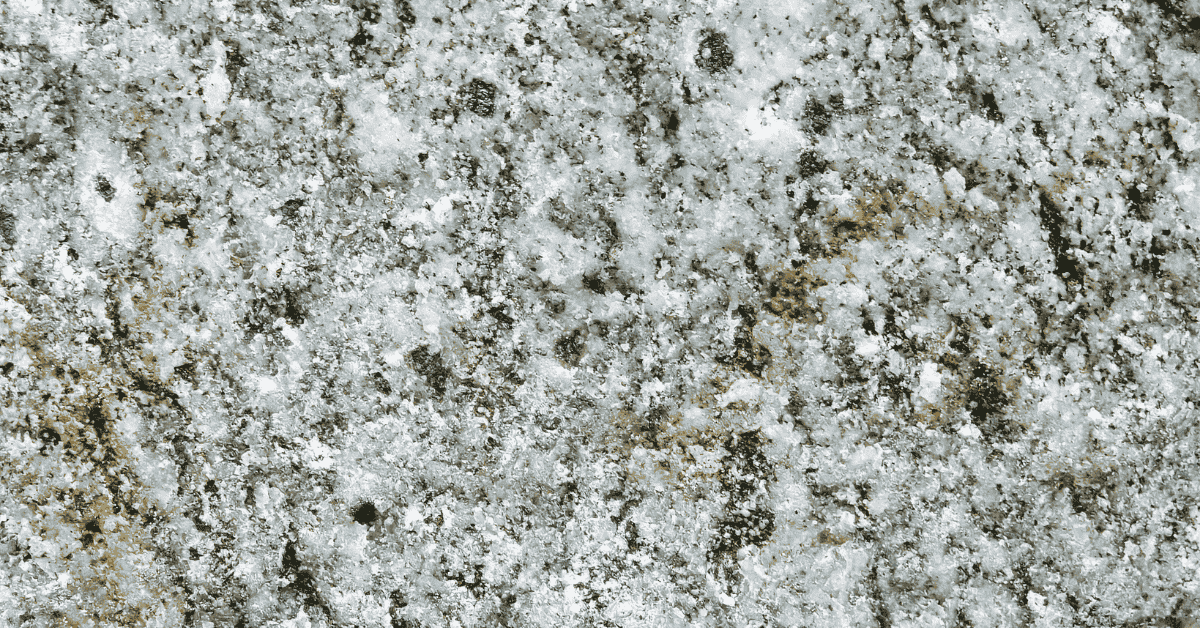
Granite Stone Cutting For Walls And Floors
Granite stone cutting for walls and floors is a precise process. Granite stone cutting for walls and floors requires precision tools and specific techniques because the stone is extremely dense and hard. Typically, granite rates 6–7 on the Mohs scale. To get chip-free results, you need diamond-tipped blades and water-cooling systems. These help manage heat and control hazardous silica dust.
The applications for granite stone cutting on walls are many. Granite cutting for walls is primarily used for cladding and interior feature walls. This provides durability and weather resistance. Unlike flooring, wall applications often require dry" mechanical fixing or high-bond adhesives. This is to support the weight of the granite stone.
Applications for granite stone cutting on walls
There are key wall applications for granite stone cutting
• Exterior Facades & Elevations: Granite stone is a material for building exteriors. It resists weather, intense heat, and pollution without fading.
• Interior Feature Walls: Polished or textured granite stone panels are used in living rooms and foyers. They create points, often behind TV units or in entryways.
• Backsplashes: In kitchens and bathrooms, granite provides a stain-resistant barrier. It protects walls from splashes and heat.
• Boundary Walls & Pillars: Rough-hewn or split-face granite stone is commonly used for garden walls, pillars, and gate entrances. It adds a natural aesthetic.
• Architectural Accents: Specialized cutting allows for granite stone window frames, door surrounds, and even nameplates.
Installation methods for granite stone cutting on walls
Installation methods for walls are critical. Because granite stone is exceptionally heavy, the method of attachment is critical for safety.
1. Dry Installation (Mechanical Fixing: This uses metal anchors, brackets, and clips to bolt granite stone panels to the building structure.
2. Wet Installation (Adhesive/Mortar): Tiles are bonded directly to the wall using polymer-modified cement or high-strength epoxy.
Decorative tips for granite stone cutting on walls
There are decoration options for granite stone cutting on walls. For wall applications, granite stone cutting moves beyond flat tiles into 3D textures and high-contrast artistic layouts. Since walls do not face foot traffic, you can use "or more delicate cuts that would not work on a floor.
1. 3D" Wall Cutting: This includes split-face CNC carving and fluted granite stone.
2. To customize granite stone decoration on walls, you should focus on depth and lighting. Because wall surfaces do not need to be slip-resistant, you can play with high-gloss polishes and extreme textures.
3. The "Metal Inlay" Customization: This involves integrating metal into the granite stone cuts.
4. Laser & CNC Engraving: This allows you to "print" patterns into the granite stone.
5. Backlit Translucency: While most granite stone is opaque, some varieties can be customized for light.
6. Custom Edge Profiles: Standard edges are flat. Custom wall edges can define the room’s era.
Using granite stone cutting on floors requires cutting techniques and tools. This is to handle its density and prevent "lippage" (uneven tile heights). Because granite stone is far more brittle and harder than ceramic, it must be cut using diamond-tipped blades with water cooling.
Essential tools for granite stone cutting applications
Essential tools for floor cutting are necessary.
• Wet Tile Saw: This is the "workhorse" for cuts.
• Angle Grinder: This is crucial for on-site adjustments, cutting around door frames, or creating openings for drains.
• Diamond Polishing Pads: These are used to smooth the "factory edge" or rough cut edges before installation.
Method for granite stone cutting for floors
There are floor cutting techniques.
• Preventing Chipping: Apply painter’s tape along the cut line. Use a "back-cut".
• Layout Planning: Start cuts from the center of the room. Work outward.
• Cutting for Drains/Corners: Use a contour gauge to capture shapes.
• Multiple Passes: For 18–20mm floor tiles, make 2–3 progressively deeper passes.
To avoid lippage, you must be careful. Lippage is a risk with large-format granite stone tiles.
• Offset Limit: Avoid a 50% "brick" pattern.
• Leveling Systems: Use tile leveling clips and spacers to lock neighboring tiles at the same height.
Granite stone for floor decoration
To decorate with granite stone flooring, you can leverage its beauty. Modern trends for 2025 emphasize neutral tones like Kashmir White or Colonial Gold.
Geometric designs
• Geometric Layouts: Beyond straight-lay use, herringbone, chevron, or diagonal patterns.
• Checkerboard Designs: An old but gold" choice, especially using contrasting colors like black and white granite stone.
• Bookmatching: Aligning two slabs so their veining mirrors each other creates a symmetrical centerpiece.
Standard layouts
Choosing a standard layout is the most immediate way to customize a granite stone floor.
• Diagonal Patterns: Laying tiles at a 45-degree angle is widely used in rooms or hallways.
• Herringbone and Chevron: These zigzag patterns are popular for adding texture and a sense of luxury.
• Checkerboard Designs: Combining alternating colors like Jet Black and Colonial White provides a timeless look.
• Randomized Layouts: For an organic artistic feel, mixing different shades and sizes can create a unique, non-structured floor.
Inlays and borders
High-end inlays and borders can serve as the centerpiece of a room's design.
• Medallions and Mosaics: Use precision waterjet cutting to create floral medallions.
• Border Designs: Framing a room with a granite stone border around lighter center tiles adds a sense of grandeur.
• Mixed Material Inlays: Modern luxury designs often mix granite stone with materials, like metal strips or marble.
Varying the finish can change the floor's mood and functionality.
• Granite Finishes: People are really into pairing granite with leather-finished sections right now. This creates a visual and tactile depth, and it really highlights specific areas of the home. The granite looks great. It feels great too.
• Non-Shiny Finishes: If you want a simple look, you can choose a non-shiny finish. This gives you a look that is not reflective, and it is often used in bathrooms because it is safer to walk on.
Custom Granite Pieces for floor and wall decoration
• Big Granite Slabs: You can get big slabs of granite cut to fit your space. This looks really nice because there are minimal lines where the pieces meet. This really shows off the patterns in the granite.
• Symmetrical Granite Patterns: This is a way to arrange the granite. You cut two pieces that're mirror images of each other and place them side by side. This creates an eye-catching pattern that is often used in big entrance halls.
Best Granite For Walls And Floors
The best granite for walls and floors is the kind that's very dense and has low porosity. For decorating, the best granite is Level 3+ because it has unique patterns and is very durable.
• Statuario Gold Granite: This is a mid-to-high-range granite with gold and grey patterns. It is often used for walls and floors because it can be arranged to create a look.
• Golden Oro Granite: This is a popular exotic granite with a black background and golden patterns. It is very durable. Can last for at least 15 years.
• Alaska White And Gold Granite: This granite has a mix of white, silver, and gold colors. It is often used in living spaces and for walls because it looks very luxurious.
• Black Galaxy Granite: This is a dense and timeless option. South Indian Absolute Black Granite is great because it does not absorb water, making it perfect for high-traffic floors and walls.
• Patagonia Granite: This is a choice that is famous for its translucent properties. It can be used to create backlit walls.
How To Choose Good Granite
1. Water Test: Good granite should not absorb water easily. If you put water on a slab and it does not get absorbed within 15 minutes, then the granite is of quality.
2. Slab Thickness: In India, the standard thickness for flooring and walls is 16mm to 20mm. Thicker slabs are more robust. Look more luxurious.
3. Surface Finish: Good granite slabs should have a uniform finish without any patches. Polished finishes are great for spaces, while non-shiny finishes add a nice touch to feature walls.
4. Color: While it is normal for granite to have some color variation, extreme inconsistency may indicate quality.
Is granite suitable for interior design?
Granite is highly suitable and widely used for interior design due to its exceptional durability, heat resistance, and unique natural aesthetics. It is one of the hardest natural stones (rating 6–7 on the Mohs scale), making it virtually scratch-proof and capable of lasting for generations with minimal maintenance.
Where else can granite be used other than on floors and walls?
1. Kitchen Surfaces That Work Well
• Countertops and islands are the common uses for granite. Granite can handle hot pans and heavy knives without getting damaged.
• You can also get custom-made sinks that are made from a piece of granite as your countertop. This creates an expensive-looking finish.
• Granite dining tables are very strong. Can last forever. They are great for the middle of the room. You do not need to use coasters on them.
2. Spa Features
• Vanity tops are great for holding sinks and can handle spills from makeup or hair tools.
• Granite is also used for thresholds and window sills to keep water out and prevent rot.
• A thick piece of granite can be used as a seat in a walk-in shower. This adds a touch of luxury.
3. Things That Add To The Structure And Look Of A Building
• Granite is often used for staircases because it is very strong and does not make noise when you walk on it.
• Since granite is fireproof, it is perfect for fireplaces. It can absorb heat. Release it back into the room slowly.
• You can also wrap granite around pillars and columns to make them look more expensive and fancy.