Welcome to A2N Metal Laser Corporation!
We'are Open: Mon - Sat 8:00 - 18:00

- Call Us
- +91 97000 01888
- Mail Us
- a2nlaser@gmail.com
Moulding Work Designs for Luxury Interiors
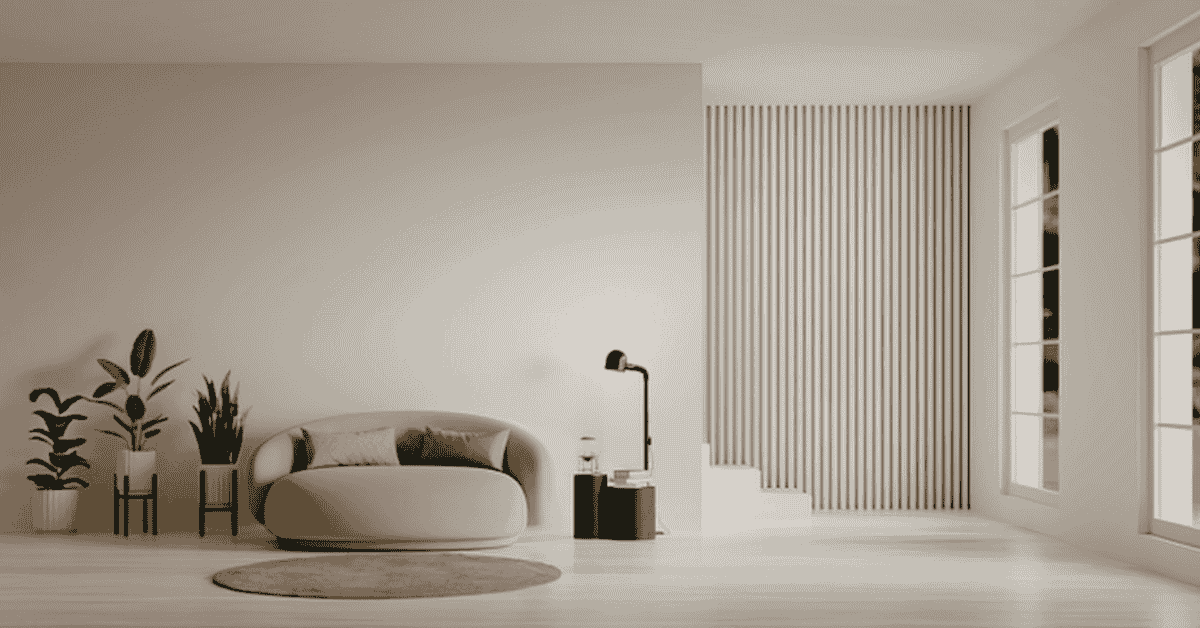
Moulding Work Designs for Luxury Interiors
Moulding work designs for luxury interiors is really beautiful. Luxury interior moulding work is now a mix of new styles. It has elements and modern clean lines. Now in 2026, people like moulding designs that are not symmetrical, have special lighting, and metallic accents to make the space look interesting.
What are the best moulding designs for luxury decoration?
• Classical Picture Frame and Boiserie is a design that uses rectangular "boxes" on walls to create a formal atmosphere. It looks good with colors or bold jewel tones for a rich feel.
• Modern Geometric Paneling is for a look. It uses lines and patterns to make a statement wall.
• Light-Integrated Moulding is when lights are hidden in the moulding to create a "floating wall" effect. This adds a glow to the room.
• Ornate Gold Leaf Accents are often used in high-luxury designs. They add a touch of gold or metal to the moulding and ceiling to highlight patterns.
• Wainscoting and Chair Rails are traditional. Now they can be taller or have two levels to make the room look bigger.
Where can you apply moulding designs for decoration?
Luxurious Moulding designs can be used around the house to make it look nicer and to separate spaces. They are common in living and dining rooms. Now people also use them in kitchens, bathrooms, and hallways.
There are areas where moulding designs can be applied.
• Walls are where most decorative moulding is used to add depth and texture.
• In living rooms and bedrooms, picture frame moulding creates formal patterns.
• In dining rooms and hallways, wainscoting covers the lower part of the wall for a classic look.
• You can go for customized moulding art designs using fabricated wood and MDF to create false ceilings and put mood lighting for interior decoration
• Transitions, like around doors and windows, use casing to hide gaps and make the architecture look smooth.
• Floors have skirting to hide the joint between the floor and wall and to protect the surface.
• In central stairways, you can add detailing along the railings or staircases to increase the decor
• Bedrooms can have moulding behind the bed or along large picture frames.
• In the kitchen and bathrooms, you can also add moulding, artwork, and intricate designs. But here, using waterproof material is always a good idea.
• Home offices use moulding to complete the look of built-in bookcases or as a wall treatment for an atmosphere.
Types of Moulding in Interior Designs
You can go for standard designs that the contractor has or hire designers to create new art forms and shapes. Some of the luxurious moulding work designs are-
• Parametric and 3D Relief Art use materials to create organic shapes or geometric patterns that project from the wall.
• Nested Arched Paneling is a take on classical forms, creating a sense of depth and symmetry.
• Modern Geometric Grids and Mazes provide a structured look for statement walls.
• Sculptural Waves and Scallops add a sense of motion and texture to spaces.
Materials used in moulding work for interior decoration
Mouldings can be made from modern interior mouldings that use synthetic materials, each with its own strengths and looks. For luxurious wall moulding designs, the choice depends on whether you want a modern look.
Primary materials for luxurious moulding work
• Solid Wood is the choice for high-end interiors. It has a warmth and can be stained or painted.
• You can also go for hardwood to create a more rustic look. Some of the obvious choices here are oak and walnut wood.
• You can use softwoods like pine, which are easier to carve on your own for fabrication and artwork designs.
• Polyurethane is a good choice option for those who are looking for a lightweight and moisture-resistant material.
• Plaster is traditional and used for ceiling cornices and roses. It is heavy and fragile. Can be cast into detailed designs.
• PVC is a waterproof plastic used in modern homes for its low maintenance and affordability.
Budget- specialized alternatives for moulding designs
• MDF is a cost-composite made from wood fibres and resin. It has a surface but is prone to water damage.
• Polystyrene is a polymer used for modern geometric designs.
• Metallic Trims add a reflective edge to paneling or house LED lighting.
Using eco-friendly materials for moulding work in homes
The top eco-friendly moulding materials are:
• Reclaimed Wood is a good option as it reduces the need for new timber harvesting.
• FSC-Certified Bamboo is strong, termite-resistant, and matures in a few years.
• Recycled Polystyrene is moisture-resistant, durable, and fully recyclable.
• Natural Cork is a resource that provides thermal and acoustic insulation.
There are also materials for custom ornate details like ceiling roses or motifs. These materials are biodegradable and non-toxic.
Benefits of using eco-friendly green materials for moulding work
The key benefits of green moulding materials are:
• Healthier indoor air because they have zero VOC emissions.
• Biodegradability, so materials like rubber break down naturally after use.
• Durability and longevity, as sustainable options like bamboo, are often more resilient than materials.
Can you customize moulding work for luxurious interior decoration?
Yes, as you can understand, moulding work means to mould as per one’s needs. So it is possible to tweak in and create new and unique designs by chipping and crafting the wooden material. Hiring a contractor allows you to get the experience of workers to craft designs using specialized and advanced tools.
Custom moulding kits can be made to fit your wall measurements and desired style. They are precisely cut using CNC technology for a fit. This way, you can have moulding designs that're truly unique and tailored to your home.
• Variable Patterns: You can pick from lines or intricate patterns like dentil or egg and dart motifs for your space. If you want a look, you can go for diagonal or abstract geometric patterns that are made just for you.
• Material & Finish: When you customize, you get to choose the material based on where it will be used, like moisture-resistant polystyrene for bathrooms or natural wood for living areas. Most mouldings come with a primer on them, so you can choose the final colour or add a fake finish like gold leafing.
• Integrated Features: These days, people often add features to their custom designs, like spaces, for LED strip lights that shine indirectly and make your ceilings or walls glow.
Things to keep in mind when creating DIY moulding designs
When designing and integrating moulding artwork for homes, it's an idea to:
• Use bold designs as a focal point to avoid overwhelming the room.
• Consider symmetry and scale to maintain a balance.
• Choose materials that are suitable for the room's conditions, like water-resistant MDF for high-moisture areas.